
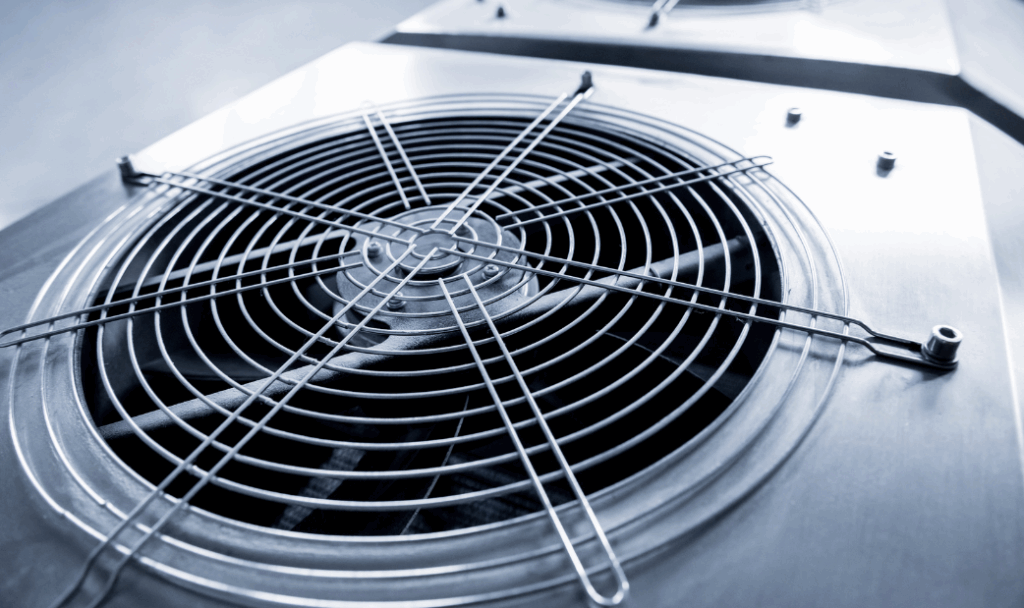
An HVAC system is a complex network of parts that all need to work together to keep your home comfortable year-round. When something goes wrong, repairs can get expensive fast, which is why many homeowners wonder if their home warranty will help.
Understanding how HVAC coverage works under a home warranty, what is usually included and excluded, and how to get the most out of your plan can help you handle problems with more confidence.
Does a Home Warranty Cover HVAC?
For most homeowners, the heating and cooling system is one of the most expensive and essential parts of the house. When it breaks down, repairs or replacement can easily cost thousands of dollars.
Many home warranty plans include some level of HVAC coverage, but it is not always as simple as a yes or no.
Knowing exactly what your home warranty covers, what it excludes, and what you can expect when filing a claim will help you decide if your current plan meets your needs or if it is time to shop for better protection.
HVAC Systems Are Typically Included in Standard Plans
In most home warranty plans, HVAC coverage is part of the standard package. This usually means that both your heating and air conditioning systems are covered against normal wear and tear, which is one of the main reasons many homeowners choose to buy a plan. Coverage often applies to central air units, furnaces, heat pumps, and related components that fail during regular use.
Since replacing a major HVAC system can cost several thousand dollars, even partial coverage can save you a significant amount.
What Parts of the HVAC System Are Usually Covered
Home warranty plans generally cover the major working components of your heating and cooling systems. This often includes the furnace, blower motor, evaporator coil, condenser, ductwork, and thermostats. Some plans may also include heat pumps or mini-split systems if those are installed in your home. The exact details can vary by company and plan, so it’s important to research the best home warranty plans, read the fine print, and understand which parts are included.
Keep in mind that while the main components are usually covered, some smaller parts or external features may not be.
What Home Warranties Often Do Not Cover
Most plans will not pay for repairs if the damage was caused by poor maintenance, incorrect installation, code violations, or pre-existing conditions. Cosmetic damage, like rust or dents that don’t affect performance, is also usually excluded. In some cases, parts like registers, grills, or insulation in the ductwork may not be included. Understanding these limitations ahead of time helps avoid surprises when you file a claim.
Common HVAC Problems That Are Covered
To understand what does a home warranty cover, it helps to look at some of the most common HVAC issues homeowners face. If your air conditioner stops cooling because of a failed compressor, or if the blower motor in your furnace gives out, your plan would likely help pay for the repair or replacement. Other examples of covered issues include refrigerant leaks, faulty thermostats, broken fan motors, and clogged or damaged ductwork.
These are all typical wear-and-tear problems that warranties are designed to handle.
Regional Factors That Can Impact HVAC Coverage
Where you live can play a big role in how useful HVAC coverage is and what kind of plan makes sense for your home. Climate, local building codes, and even contractor availability can affect what is covered and how quickly you can get service.
- Homes in very hot or cold climates may put more strain on HVAC systems, which could lead to more frequent repairs and stricter maintenance requirements.
- In humid regions, issues like mold in ductwork or water damage to components may not always be covered under standard plans.
- Some areas have specific building codes that may require upgrades during repairs, which are often not included in warranty coverage.
- Availability of qualified contractors can vary by region, which might lead to longer wait times for service or fewer choices in technicians.
- Certain warranty companies operate in limited areas, so not all plans are available everywhere, and coverage terms may differ depending on the state.
How to Make the Most of Your HVAC Coverage
Make sure to keep up with routine maintenance, such as changing filters and scheduling seasonal tune-ups, since lack of maintenance can void your claim. Keep all service records in case the warranty company asks for proof of upkeep. It also helps to read your policy thoroughly so you understand what is required when filing a claim, how much the service fee is, and which contractors are part of the company’s network.
Why HVAC Coverage Can Be Worth the Investment
Even if your system seems to be running fine now, HVAC repairs can happen unexpectedly and cost much more than a year of home warranty premiums. For many homeowners, the peace of mind of knowing that a major breakdown will not completely drain their savings is worth the cost of the plan.
If you live in an area with extreme temperatures, having a warranty to cover your heating and cooling systems can also make your home more comfortable and your budget more predictable.
10 Questions to Ask Before Choosing a Plan with HVAC Coverage
Before you commit to a home warranty plan, it’s worth asking a few specific questions about how HVAC coverage works. These answers can help you avoid surprises later and make sure the plan you choose actually meets your needs.
- Which HVAC components are included in the standard coverage, and which require add-ons?
- Are there any limits on repair or replacement costs for HVAC systems?
- Does the plan cover both heating and cooling, including ductwork?
- Are refrigerant leaks and recharging included, or do they cost extra?
- Are there exclusions for older systems or certain brands and models?
- What kind of proof of maintenance is required to approve a claim?
- How long does it usually take to get service for an HVAC claim?
- Are the service technicians licensed and experienced with HVAC systems?
- Is there a separate service fee for HVAC calls, and how much is it?
- Are portable or window units ever covered under any plan options?
Getting Ready for the Unexpected
Understanding how HVAC is covered under a home warranty comes down to knowing what’s included, what’s not, and what questions to ask before you choose a plan.
Since every home, system, and region is a little different, taking the time to read the details and clarify anything you’re unsure about can save you money and frustration later.